
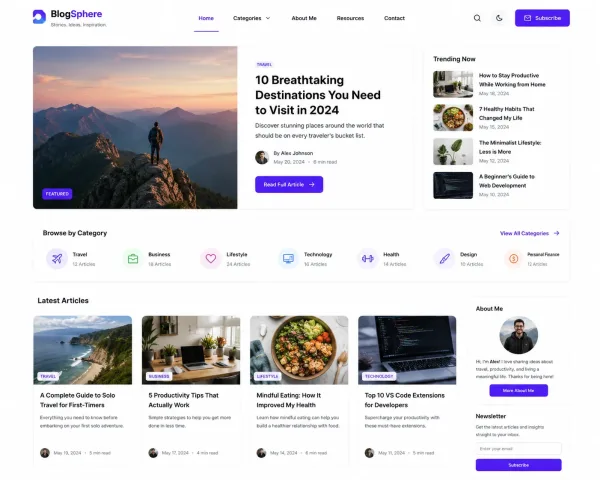
Dozens of Indian publications, niche knowledge blogs, and corporate insight hubs chase advertising clicks while cramming screens so tightly with floating ad boxes, newsletter pop-ups, and slow auto-playing sidebar videos that real readers close the tab inside five seconds. When mobile readers strain eyes trying to read light grey paragraphs squeezed inside narrow margins while page banners jump erratically upward during loading, bounce rates soar and Google demotes organic reach steadily. At Mantra Tech Fusion in Model Town, Panipat, Vikrant Saini designs fast, uncluttered editorial blog websites optimized for long-form legibility, clear topic categorization, and smooth indexing.
Dynamic blog platforms built with private author consoles, category archives, and structured CMS tools start at ₹35,000 + 18% GST and deploy within 2 to 3 weeks once brand styling and initial category notes arrive. If launching a simple personal static writing archive without backend authoring logins fits better, static builds open at ₹20,000 + 18% GST (7 to 14 working days). Complete files stay inside your control permanently.
Why Editorial Layout Controls Reader Retention Directly
Readers arriving from Google Search to check a compliance guide, recipe tutorial, or manufacturing buyer comparison judge site reliability visually before reading sentence two. Generous vertical spacing dark ink contrast on calm off-white backdrops, predictable maximum line lengths (~65 to 75 characters across wide monitors), and instant page opening turn casual passers-by into repeat subscribers.
Good publication design never forces readers to fight through three inches of sticky navigation headers or shifting display boxes just to finish two paragraphs of useful explanation. Every margin, caption, code sample, and comparison chart earns its place by keeping attention steady on your core subject.
Core Features Included in Every Blog Website Build
Reading Typography Hierarchy Designed for Both Phones and Laptops
Eye comfort determines how far visitors scroll down deep guides. We pair readable editorial headings with comfortable 16px to 18px body type, relaxed 1.65 line spacing, highlighted blockquote callouts, and neat comparison tables that adapt responsively on handheld smartphone viewports.Logical Category Architecture and Clean Author Profiles
Dumping forty varied essays onto one unorganized Posts feed ruins topical discovery for human visitors and search crawlers alike. We structure parent category hubs, clean breadcrumb trails, optional jump-to-section Tables of Contents inside lengthy articles, and honest author profile cards supporting clean Article Schema.org metadata.Distraction-Free Subscribe Prompts Without Blocking Pop-Ups
Covering half a smartphone screen immediately upon opening destroys reading patience and invites mobile intrusive-interstitial SEO penalties. Clean subtle newsletter or WhatsApp subscription prompts sit politely mid-article or at post endings where genuinely engaged readers choose clicking willingly.Lean Code for Rapid Search Crawling Across Slow Networks
Heavy WordPress magazine themes jam dozens of widget scripts onto every single post page, throttling regional 4G reads. Whether coding lightweight modular WordPress child themes or sleek custom PHP 8.2 publishing engines, compressed WebP thumbnails and zero builder bloat keep articles swift.Four Expensive Mistakes Made on Content and Media Websites
- Installing Heavy Multi-Purpose Newspaper Themes With Unused Demos: Generic magazine themes load six overlapping sliders, social share counter scripts that stall servers, and bloated mega-menus before rendering paragraph one.
- Publishing Auto-Generated Tag Archives Into Google Index: Letting CMS software build three hundred blank tag pages holding single lines creates thin index bloat that pulls core domain rankings backward. Keeping thin tag pages out of sitemaps preserves clean crawl focus.
- Embedding Uncompressed Giant Screenshots Inside Technical Tutorials: Leaving raw two-megabyte PNGs unresized stretches page scroll wait times miserably; converting tutorial grabs smoothly into WebP assets holds sharp detail at minimal byte cost.
- Mixing Misleading Clickbait Banners With Genuine Practitioner Advice: Crowding credible articles inside flashing low-grade ad networks drives corporate readers straight out instantly.
Exclusions Clearly Scoped Out of Blog Platform Design
- Weekly Ongoing Content Writing: Creating blog platform design handles templates, categories, Schema.org structures, and admin authoring forms; hiring ongoing writers for weekly articles quotes separately.
- Custom Multi-Author Paid Subscription Paywalls: Building metered reader paywalls, monthly subscription billing gates, or editorial multi-tier reviewer queues receives dedicated written quotes once requirements are approved.
- Domain and Hosting Purchases: Domains and fast Linux cloud accounts sit securely under corporate credentials without reseller markups.
Real Editorial Performance Reflected in Our Own Portfolio
Examine live article publishing engines built strictly around readability and fast page loading:
- FactoraHub (factorahub.com): online knowledge portal built by Vikrant Saini to deliver long-form guides and practical tools swiftly on regular mobile connections without page-builder bloat.
- Bikwao (bikwao.com): illustrates clean organized taxonomy structuring across dozens of B2B inventory categories separated for rapid visitor filtering.
Four-Phase Blog Launch Schedule
- Taxonomy and Content Type Planning: Vikrant Saini audits existing article topics (or planned subject pillars) to map clean non-overlapping categories, URL structures, and author fields.
- Typography and Reading Wireframes: You test live staging sample posts straight on personal phones to check comfortable font size, clear table wrapping, and button placement early.
- Lean Coding, Schema Markup, and Speed Tuning: Templates compile alongside
Article / BlogPostingJSON-LD scripts, automatic sitemap feeds, and automated WebP upload formatting. - Editorial Walkthrough and Full Handover: Staff verify uploading draft articles, adding clean descriptive alt attributes, and setting canonical tags before full launch and login handover.

