A commercial website serves as the primary digital touchpoint for prospective buyers, institutional clients, and business partners. To fulfill its purpose effectively, a modern website must balance functional clarity, fast technical performance, and strong data security. Many organizations make the mistake of prioritizing flashy visual animations over core operational capabilities, resulting in poor search engine visibility and frustrated visitors.
Fast Loading Speed and Native Code Efficiency
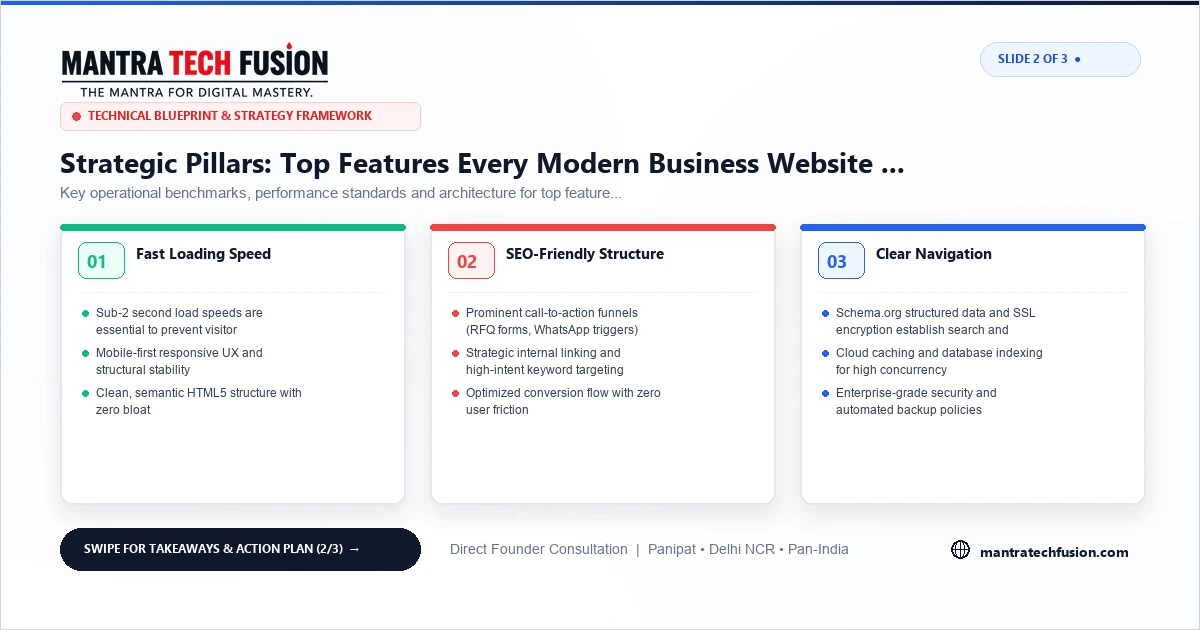
Page loading speed directly influences user retention and search engine rankings. Modern web users expect pages to load in under two seconds. Achieving this level of performance requires building on clean foundations rather than piling third-party plugins on top of generic CMS themes.
- Lightweight Handcrafted Markup: Writing semantic HTML5 and streamlined CSS avoids the excessive file bloat associated with drag-and-drop page builders.
- Modern Media Formatting: Utilizing modern image formats such as WebP and defining explicit dimension attributes prevents visual layout shifts during page rendering.
- Minimal Script Execution: Limiting client-side JavaScript to essential interactions prevents browser thread freezing on budget mobile devices.
Intuitive Navigation and Information Architecture
Prospective clients visit a business website with specific commercial intentions, such as reviewing product specifications, checking company credentials, or requesting pricing. A clear information structure helps visitors find what they need without confusion:
- Logical Category Hierarchy: Grouping services and products into clear categories ensures that both human visitors and automated search crawlers can navigate the site easily.
- Prominent Contact Details: Displaying official telephone numbers, email addresses, and headquarters locations clearly in headers and footers builds commercial credibility.
- Descriptive URL Structures: Using clean, static URL paths containing descriptive keywords assists users in understanding page context at a glance.
Secure and Functional Lead Capture Mechanisms
Inquiry forms represent the core conversion mechanism for service providers and industrial manufacturers. A well-designed lead capture system must be both accessible to users and protected against automated spam abuse:
- Straightforward Form Fields: Limiting quote request forms to essential data points (such as name, phone number, email, and project scope) reduces user friction.
- Server-Side Validation: All form inputs must undergo rigorous server-side verification using prepared database statements to protect against malicious script injections.
- Direct Notification Routing: Submissions should immediately trigger alerts to sales representatives via email or messaging channels to ensure rapid customer follow-up.
Semantic Schema Markup and Search Readability
Search engines need structured data to interpret the commercial identity of your enterprise. Integrating Schema.org structured data directly into page templates provides clear machine-readable context:
- Organization and LocalBusiness Markup: Confirms legal business names, registered office addresses, contact phone numbers, and operational hours.
- Service and Product Schema: Details technical product attributes, specifications, and service areas for automated search indexers.
- Breadcrumb Navigation Lists: Demonstrates site hierarchy to search engines and displays clean navigational paths in search engine result snippets.
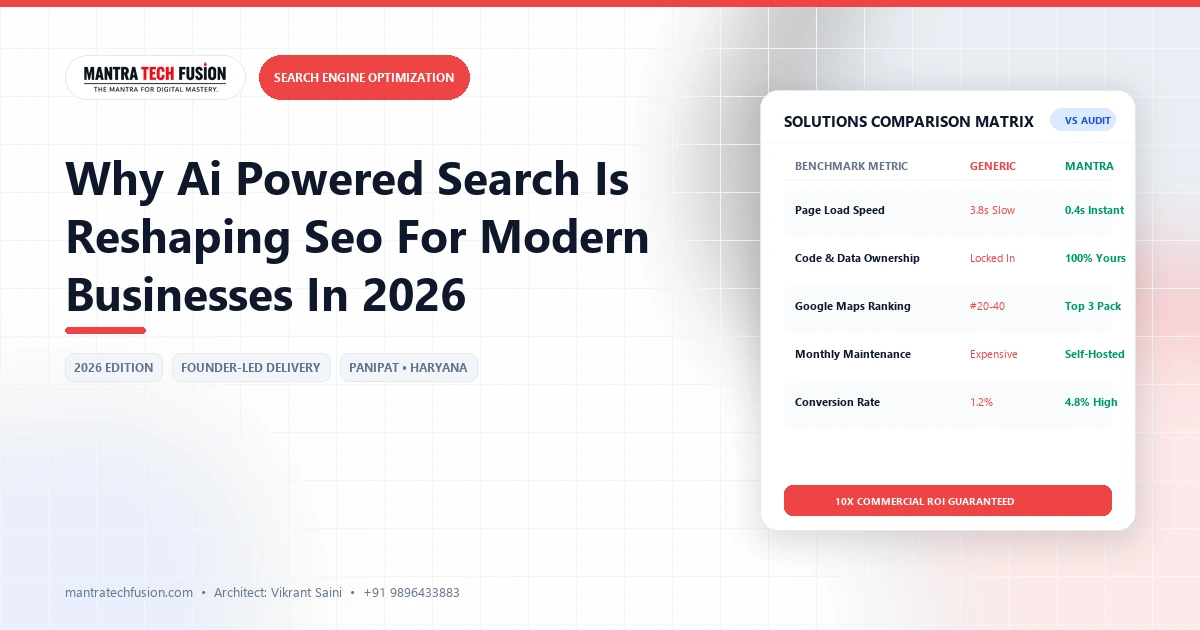
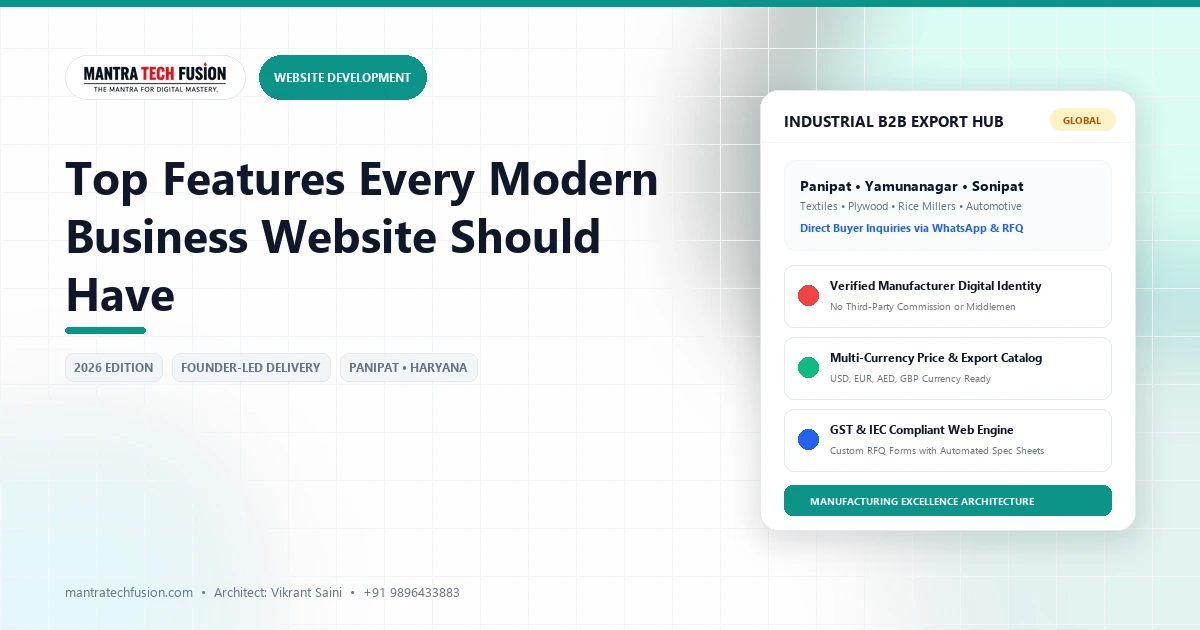
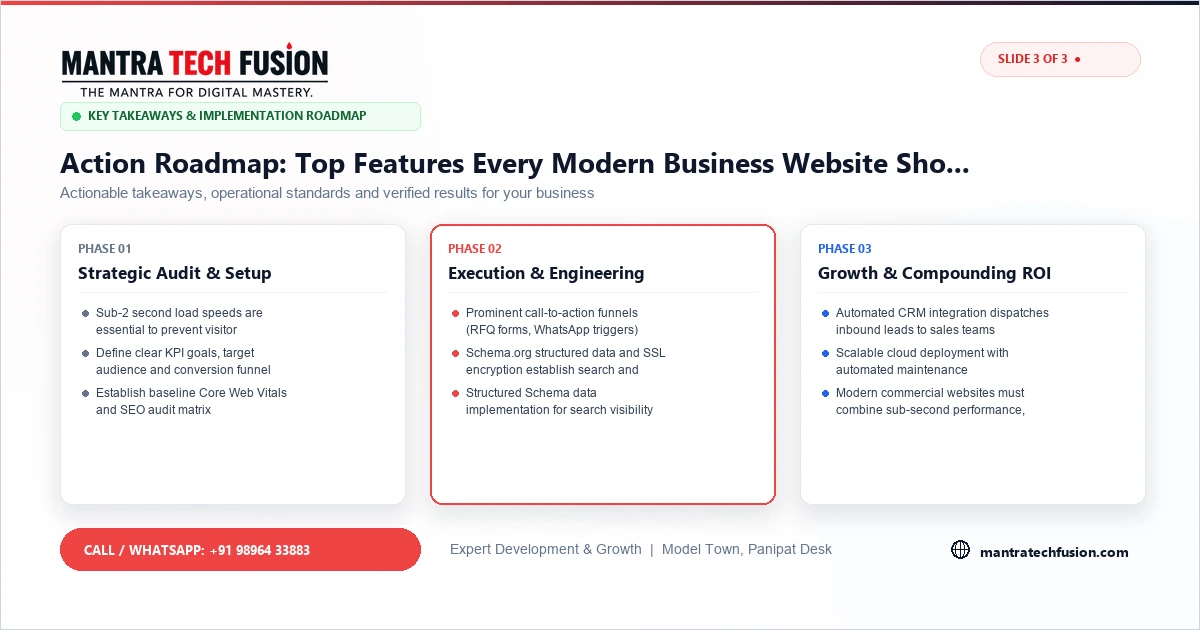
This article in three pictures
Security and Data Protection Baseline
Operating a professional business website requires maintaining strict security standards to safeguard company reputation and visitor information:
- Universal HTTPS Encryption: Implementing strong SSL/TLS encryption across all site pages protects form data transmissions from interception.
- Hardened Server Configuration: Disabling directory browsing, enforcing strict file permissions, and protecting administrative dashboards against unauthorized access.
- Full Source Code Ownership: Retaining independent ownership of your site files and database ensures you are not locked into proprietary website builders.