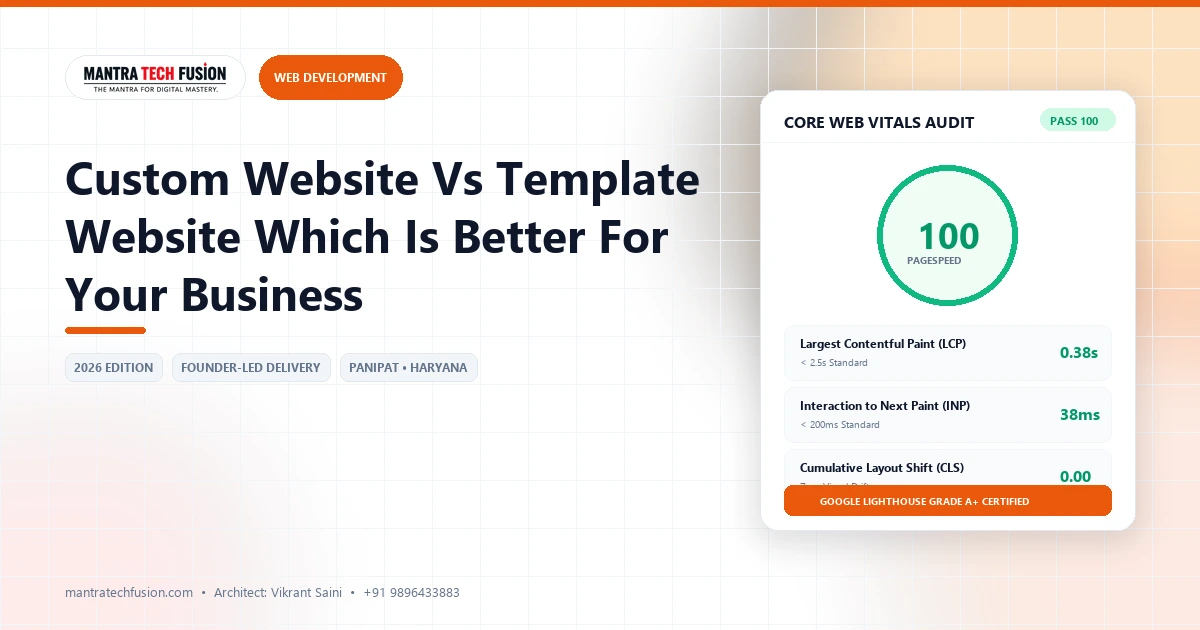
When planning a new web project, business owners face a fundamental architectural choice: should they deploy a pre-made template using a popular content management system, or invest in custom website development? While templates offer an appealing quick-start option, custom-developed websites provide superior performance, enhanced data security, and complete code ownership. Choosing the right path requires evaluating your operational needs, growth plans, and technical requirements.
Understanding Pre-Made Template Solutions
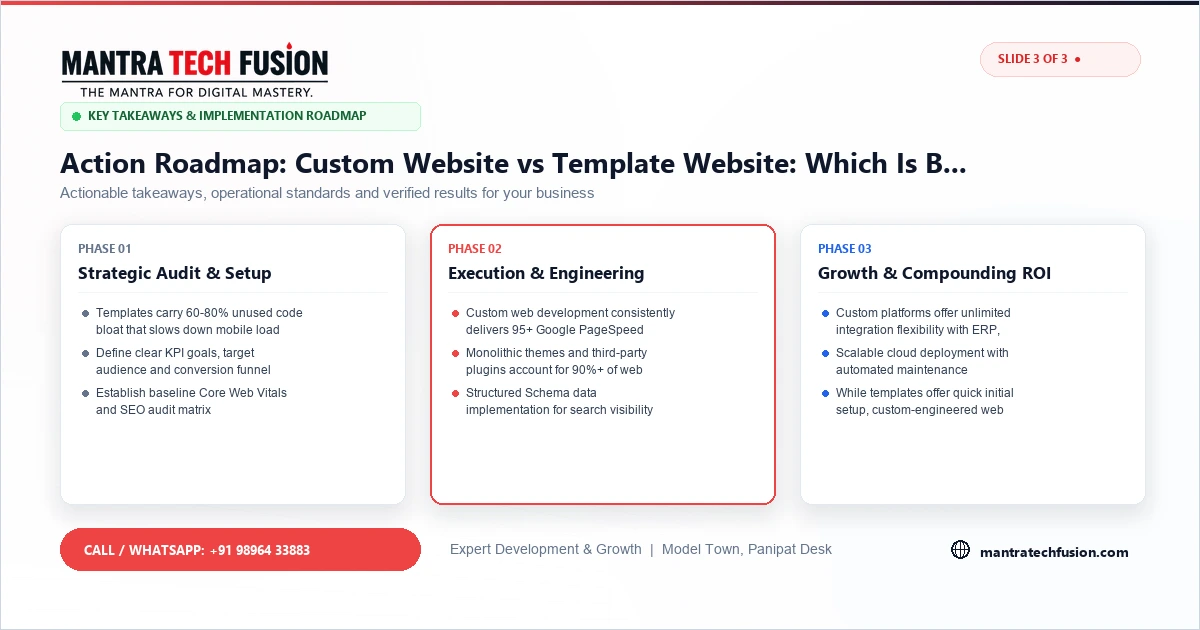
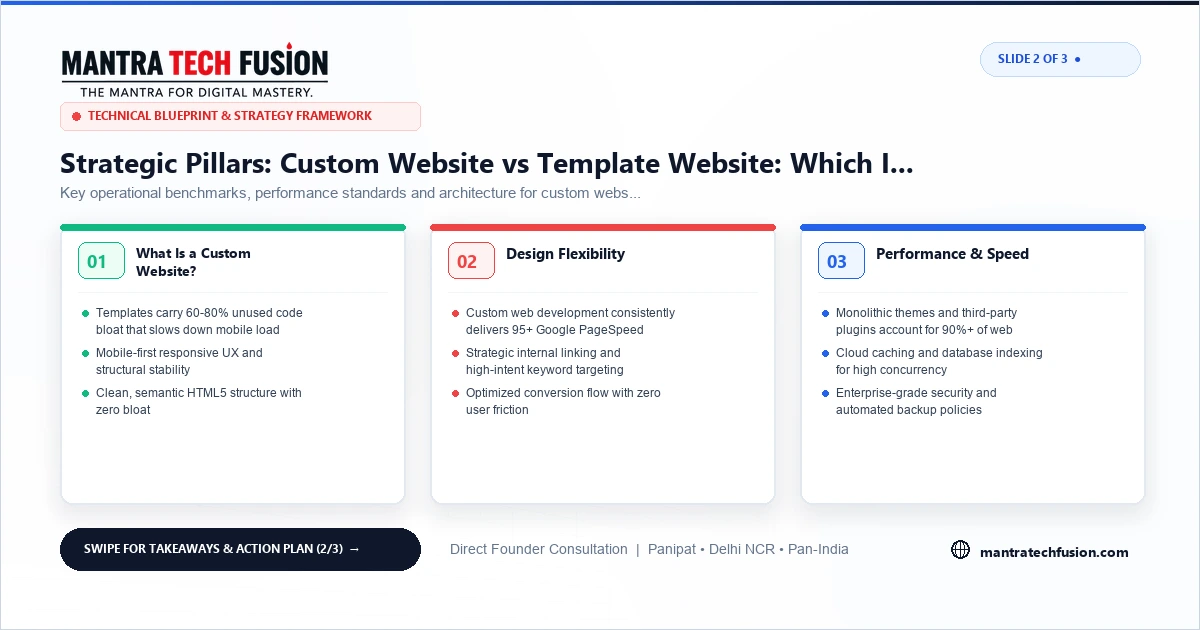
Pre-made templates, commonly built on platforms like WordPress or third-party page builders, are designed to cater to as many users as possible. To achieve this broad flexibility, templates come packaged with hundreds of design settings, excess stylesheets, and numerous third-party plugins.
Advantages of Templates:
- Rapid Initial Setup: Basic corporate layouts can be launched quickly using pre-configured themes.
- Lower Upfront Design Cost: Off-the-shelf templates require less initial layout engineering.
- Familiar Admin Interfaces: Many content editors already possess familiarity with popular CMS dashboards.
Drawbacks of Templates:
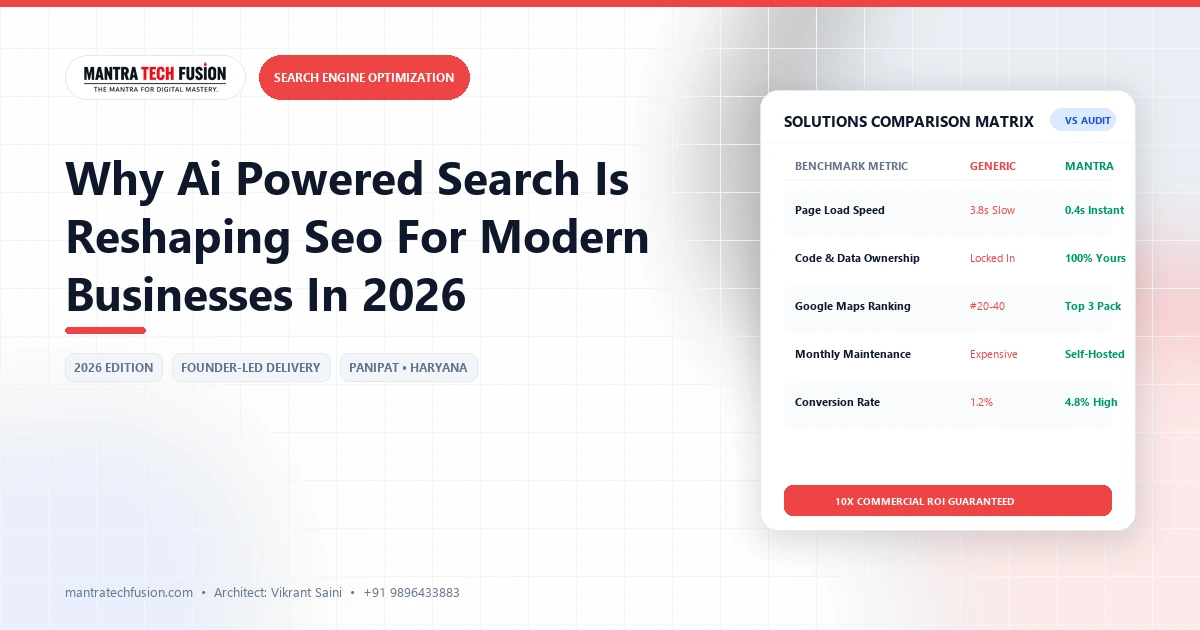
- Code Bloat and Sluggish Performance: Unused features, redundant scripts, and heavy database queries slow down page load times.
- Frequent Plugin Vulnerabilities: Relying on multiple third-party plugins creates security risks, requiring constant patching and monitoring.
- Maintenance Overhead: Plugin and theme updates can conflict with one another, causing unexpected site breakage and administrative frustration.
The Advantages of Custom Web Development
Custom web development involves engineering a website from the ground up to match the precise operational requirements of your enterprise. Using core technologies like PHP 8.2 and MySQL, developers write only the code necessary to deliver your features.
- Optimized Loading Speeds: By eliminating unnecessary third-party libraries and page builder bloat, custom websites achieve rapid page rendering on mobile networks.
- Strong Security and Reliability: With fewer external dependencies and database interactions protected by PDO prepared statements, custom applications offer a much smaller attack surface.
- Focused Administrative Workflows: Custom admin panels provide straightforward form fields designed around your specific products, avoiding confusing, cluttered CMS settings.
- Complete Source Code Ownership: You hold full intellectual property rights to your source code and database, giving you complete independence over your web hosting environment.
Evaluating Total Cost of Ownership
While a template website often carries a lower initial invoice, its long-term total cost of ownership can surpass custom development over two to three years. Template websites frequently demand ongoing plugin subscription licenses, premium theme renewals, emergency developer interventions after broken updates, and specialized hosting to compensate for slow code.
In contrast, a custom PHP website represents a durable capital investment. Once built and launched, the core code operates reliably for years without mandatory license fees or breaking changes caused by automated third-party software updates.
Decision Matrix: When to Choose Each Option
- When a Template Makes Sense: Small local service providers with tight initial budgets, temporary marketing campaigns, or personal hobby blogs that do not handle sensitive client data or deep product catalogs.
- When Custom Development Is Essential: Industrial manufacturers with extensive equipment specifications, B2B suppliers requiring specialized quotation funnels, high-volume catalogs, and commercial enterprises that prioritize brand security and code ownership.